
Perils of Over-reliance on AI in Legal Planning
Perils of Over-reliance on AI in Legal Planning
Artificial intelligence has quietly become part of nearly every founder's toolkit. It drafts emails, summarizes contracts, and even generates first-pass legal documents in seconds. For fast-moving tech companies, that speed is tempting. However, over-reliance on AI in legal planning is becoming one of the costlier lessons growing businesses learn the hard way.
AI tools are genuinely useful when treated as a starting point. The trouble begins when they are treated as a finish line.
Tech Companies Leaning Toward Over-Reliance on AI
It is easy to understand the appeal. Startups and hi-tech companies operate on tight budgets and even tighter timelines. Asking an AI model to draft a shareholder agreement or review a licensing deal feels faster and cheaper than scheduling a call with an attorney. Explaining a regulatory requirement falls into that same category. For companies expanding into new markets, that instinct to move quickly is often what got them this far in the first place.
The problem is that legal planning rarely rewards speed alone. It rewards precision, context, and judgment, three things that current AI tools still struggle to deliver consistently.
The Real Risks of Over-Reliance on AI in Legal Planning
Most of these risks do not show up on day one. They surface later, often at the worst possible moment, when a deal is closing, a contract dispute is escalating, or an investor is asking pointed questions during due diligence. Here is where over-reliance on AI tends to cause the most damage.
Hallucinated Case Law and Fabricated Citations: Generative AI models can produce citations, statutes, or case law that sound authoritative. However, some of them simply do not exist. Courts have already sanctioned attorneys for submitting briefs built on fabricated precedent. A founder self-drafting a legal position with AI carries that same risk. The difference is there's no bar license standing between the mistake and the outcome.
Missing Jurisdictional and Cross-Border Nuance: AI models tend to generalize. A contract clause that works under one country's laws can be unenforceable or outright risky elsewhere. Companies expanding into the US or Western markets face layered questions around IP protection, employment classification, and corporate structure that a generic AI response is unlikely to capture accurately.
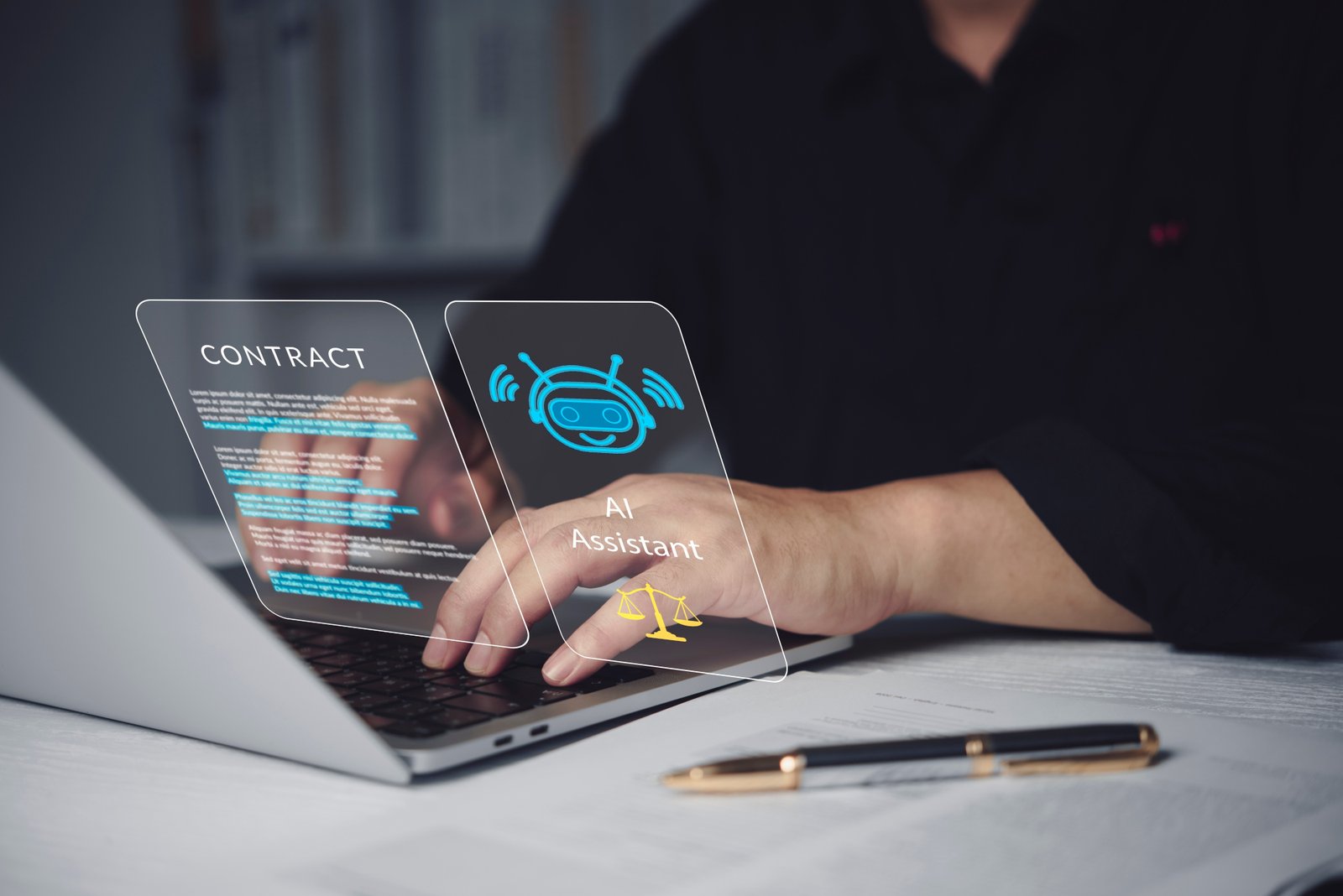
Contracts That Look Right But Are Not: A well-formatted contract is not the same as a well-drafted one. AI-generated agreements often lean on boilerplate that does not reflect a company's actual deal terms, leaving gaps around indemnification, IP ownership, or termination rights. Those gaps tend to surface only after a dispute forces a closer read.
Confidentiality and Data Exposure: Feeding cap tables, term sheets, or client data into a public AI tool can create confidentiality and security risks. Once proprietary information enters certain AI systems, control over how it is stored or reused becomes far less certain.
What the Legal Profession Is Saying
Concerns about over-reliance on AI are not limited to startups experimenting with new tools. The legal profession itself has taken notice. In July 2024, the American Bar Association issued its first formal ethics guidance on generative AI. The American Bar noted that lawyers must fully consider their ethical obligations around competence, confidentiality, and communication with clients when using these tools. The guidance makes clear that uncritical reliance on AI output, without independent verification, could compromise the duty to provide competent legal services. That principle applies just as directly to founders making legal decisions on their own.
The pattern is not unique to the United States. In the widely reported Mata v. Avianca case, a New York federal court fined two attorneys and their firm. This was after they submitted a brief built on fake case citations generated by ChatGPT. It has since served as an early warning about what happens when AI output goes unchecked. England's High Court sent a similar message in Ayinde v. London Borough of Haringey, where a barrister presented fabricated Court of Appeal decisions in a judicial review filing.
The court rejected any suggestion that the fabrications were minor errors, calling the conduct wholly improper. Canadian and Australian courts have issued comparable rulings around the same time. One Canadian judge warned that unchecked AI-generated citations could lead to a miscarriage of justice. An Australian court went a step further, referring the lawyers involved to their professional regulator.

The Right Balance: Avoiding Over-Reliance on AI
None of this means AI has no place in legal planning. Used well, it can help a team organize information, flag questions worth asking, or get a rough first draft moving before a real conversation with counsel begins. The distinction that matters is between AI as a starting point and AI as the final word.
Smart legal planning still depends on someone who understands the full picture: the jurisdiction, the deal history, the personalities at the table, and the long-term goals of the business. Those are judgment calls, not pattern-matching exercises, and they are exactly where over-reliance on AI in legal planning tends to create the most costly blind spots.
When to Bring in Experienced Counsel
If your company is negotiating a cross-border deal, raising a funding round, protecting intellectual property, or entering a new market, that is the moment to have an experienced attorney review the details, not after a dispute has already started. AI can help you prepare smart questions. It cannot replace the judgment of someone who has handled similar deals before and knows where the real risks tend to hide.
If you are weighing how much to trust AI with your company's legal planning, we would be glad to talk it through with you. Reach out to our team to schedule a consultation, and let us help you build a legal strategy that keeps pace with your business without leaving the important details to chance.

